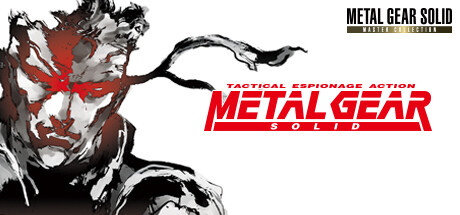
Hideo Kojima made Metal Gear Solid in the same year that Saving Private Ryan came out and the world was reconsidering what it meant to depict war. The timing was not coincidental. MGS arrived with a specific set of arguments: that games could tell stories with cinematic ambition, that the fourth wall was something worth breaking if the reason was right, and that the person making the game could be as much an auteur as any film director.
In 1998, those arguments needed making. Kojima made them with a PlayStation cartridge and a codec call to Meryl’s real-world memory card slot.
Shadow Moses
The premise is clean: Snake, a retired special operations soldier, is sent to Shadow Moses Island to neutralise a rogue FOXHOUND unit that has taken control of a nuclear disposal facility and threatens to launch a warhead. What the premise becomes is something else entirely.
MGS tells a story about genetics, identity, the ethics of soldiering, and the cycle of violence, wrapped around a stealth action game that was mechanically ahead of its time. The AI soldiers with visible cone-of-vision, the alert states, the tactical options for creating distractions: the stealth systems were the best implementation of the genre’s ideas up to that point.
Then there are the bosses. Psycho Mantis reading your memory card. Sniper Wolf and her conversation about soldiers and battlefields. The torture sequence. Metal Gear Solid understood that a game could use its mechanics to deliver emotional beats that film simply cannot replicate, and used that understanding better than almost anything before it.
The Codec and the Writing
The codec calls are where Metal Gear Solid does things that neither film nor traditional games could do. Optional conversations with your support team delivered world-building, character development, and commentary that had no obligation to exist. You could finish the game without listening to Master Miller discuss the nutritional value of rations. The game was better if you did.
The writing is strange by modern standards, overwritten in places, operatic in its emotional delivery. It is also genuinely affecting in a way that more restrained writing sometimes isn’t. The codec call with Otacon about his past on Shadow Moses remains a piece of character writing that still lands, thirty years on.
How It Holds Up
The PS1 version is functional but visually dated in ways that matter for a game this dependent on atmosphere. The GameCube remake, The Twin Snakes (2004), remade the environments and cutscenes with PS2-era production values, though its faster movement speed and the physics changes alter some of the challenge calibration.
For a first experience, The Twin Snakes is the more accessible version. For purists, the original remains on PS1 and via digital storefronts on older PlayStation hardware.
The game that came after it (MGS2’s Raiden bait-and-switch) would never have landed if MGS1 hadn’t made Snake feel irreplaceable. That is the quiet genius of the first game: it built something you genuinely didn’t want to see changed.