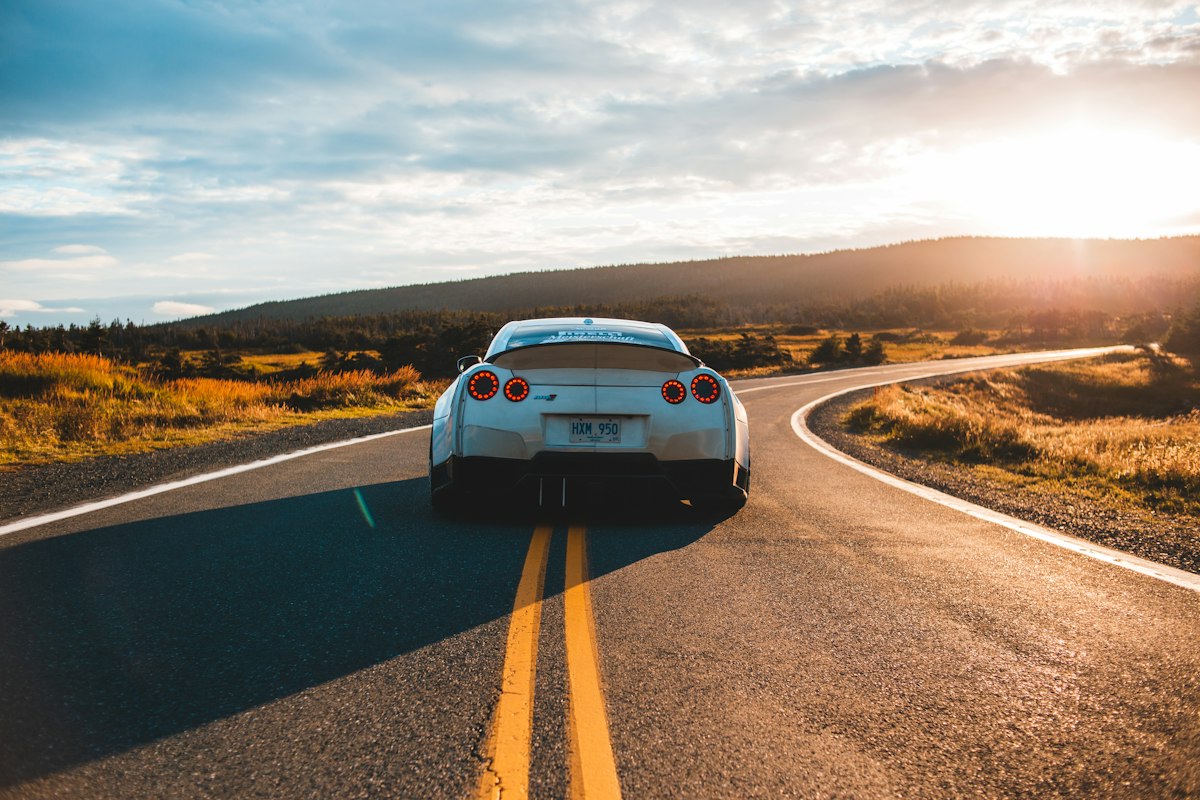
Racing games generally want you to win cleanly. Fast lap times, smooth cornering, optimal racing lines. Burnout 3: Takedown wanted you to win by smashing your opponents into concrete barriers at 180mph and watching the game’s slow-motion crash camera savour every panel deformation.
This was the game’s entire argument, and it was correct. Criterion Games understood that what people actually want from a racing game is consequence: the feeling that speed and proximity to other vehicles creates genuine stakes. Burnout’s solution was to make crashing spectacular and to make causing crashes the primary competitive mechanic. The Takedown system rewarded you for ramming opponents off the road. The boost meter filled when you drove into oncoming traffic. The game was designed from the ground up to make irresponsible driving feel earned.
Road Rage and Crash Mode
The Takedown mode, which is the game’s main competitive format, gives each player a number of lives and asks them to eliminate opponents by forcing them to crash before running out of lives themselves. The traffic-laden circuits create opportunities and hazards simultaneously: a lorry in the fast lane is a wall to aim an opponent into and an obstacle to survive yourself.
Crash Mode was the game’s standalone set-piece offering: set junctions with traffic flowing from multiple directions, tasked with causing the maximum monetary damage by timing a crash into the intersection and watching the chain reaction. The environments were built for each scenario, the multiplier system rewarded sustained chaos over single-impact crashes, and the best solutions required the kind of lateral thinking that the mode’s presentation suggested you weren’t supposed to be doing.
The Soundtrack
The Burnout 3 soundtrack is a time capsule of mid-2000s pop-punk and rock: Avril Lavigne, Atreyu, Killswitch Engage, and Billy Talent filling the menu and the races with a specific flavour that would be very specifically 2004. It works completely in context and serves as an unintentional document of what the radio sounded like that year.
DJ Stryker’s commentary, inserted between events, was recorded with genuine enthusiasm and has aged into something unexpectedly charming. The phrases have been quoted ironically and unironically by people who played the game as teenagers for the two decades since.
How It Holds Up
Burnout 3 is not available on any current digital storefront. It exists only on original disc, through backwards compatibility on older PS3 hardware, or through unofficial means. This is an ongoing frustration for the community and a failure of preservation from EA, who acquired Criterion around the time of the game’s release.
If you can access it: it holds up completely. The core racing feel is as responsive as anything since. The crash physics are still more detailed and satisfying than most games released after it. Criterion made Burnout Paradise in 2008 and built it on much of what Takedown established, but the focused, event-based structure of the original was never replicated. Some games are not improved by being open world.