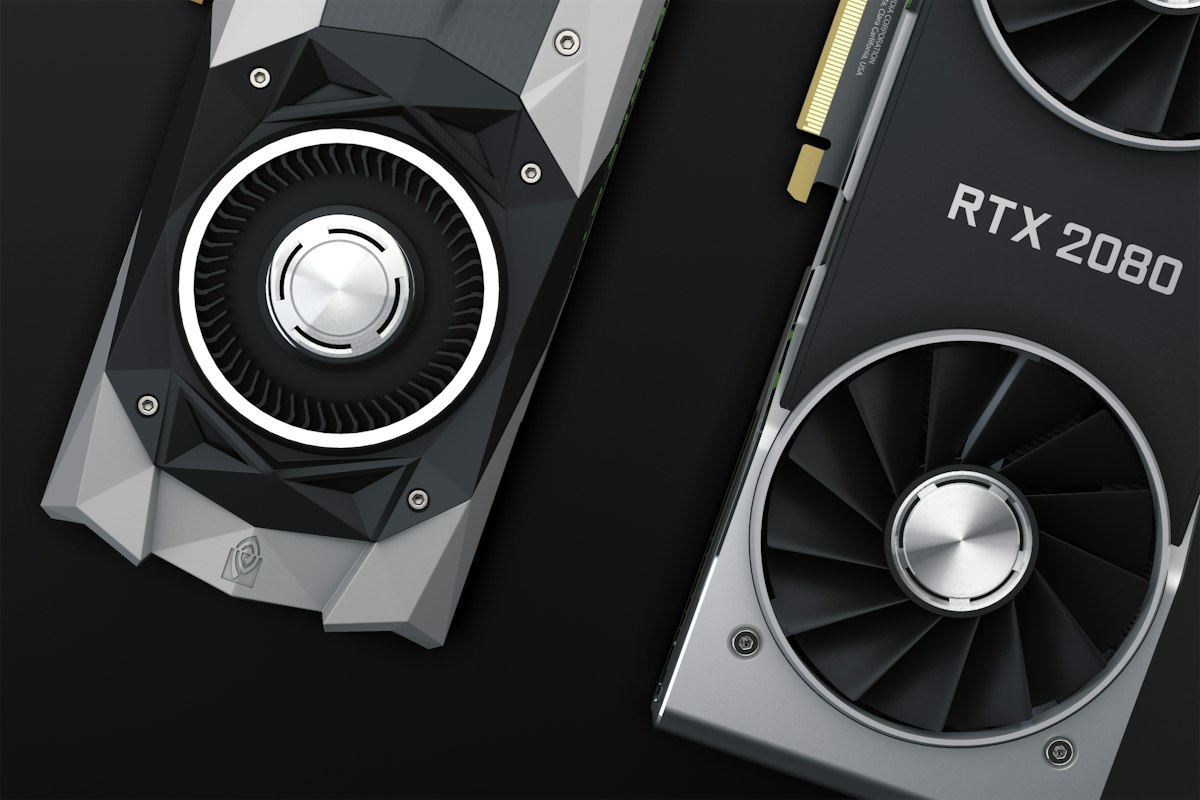
The Nvidia RTX 5090 launched yesterday with an MSRP of $1,999 (approximately £1,600 at retail) and sold out within minutes at virtually every UK retailer. By mid-morning, Overclockers UK, Scan, and Amazon listings all showed out-of-stock, with third-party sellers immediately listing at premiums of 20 to 40 per cent above launch price.
The card is, on paper, the fastest consumer GPU ever made. Nvidia’s Blackwell architecture brings GDDR7 memory, Multi-Frame Generation via DLSS 4, and a 575W TDP that will stress many existing PSU setups. Performance benchmarks published by reviewers show a meaningful lead over the RTX 4090 in rasterisation and an enormous lead with DLSS 4 Multi-Frame Generation enabled.
The question of who this is for is legitimate. At £1,600+ for the Founders Edition and likely higher for AIB variants, the RTX 5090 is a card for a very specific customer: someone who needs the absolute maximum, regardless of price, for either professional workloads or 8K gaming ambitions. For everyone else, Nvidia’s own RTX 5080 (at approximately £1,100-1,200) delivers the bulk of gaming performance at a lower spend.
The stock situation mirrors the RTX 4090 launch, and the generation before it. Nvidia’s top-tier GPUs have not launched with adequate supply to meet demand since the 3090 era. The pattern appears structural rather than accidental.
“We’re monitoring availability closely and working with our retail partners,” an Nvidia spokesperson said, which is the standard response to this situation and does not answer when normal availability will return.
The RTX 5080 launches alongside the 5090. That story is similar: out of stock, premiums applied. More on that separately.