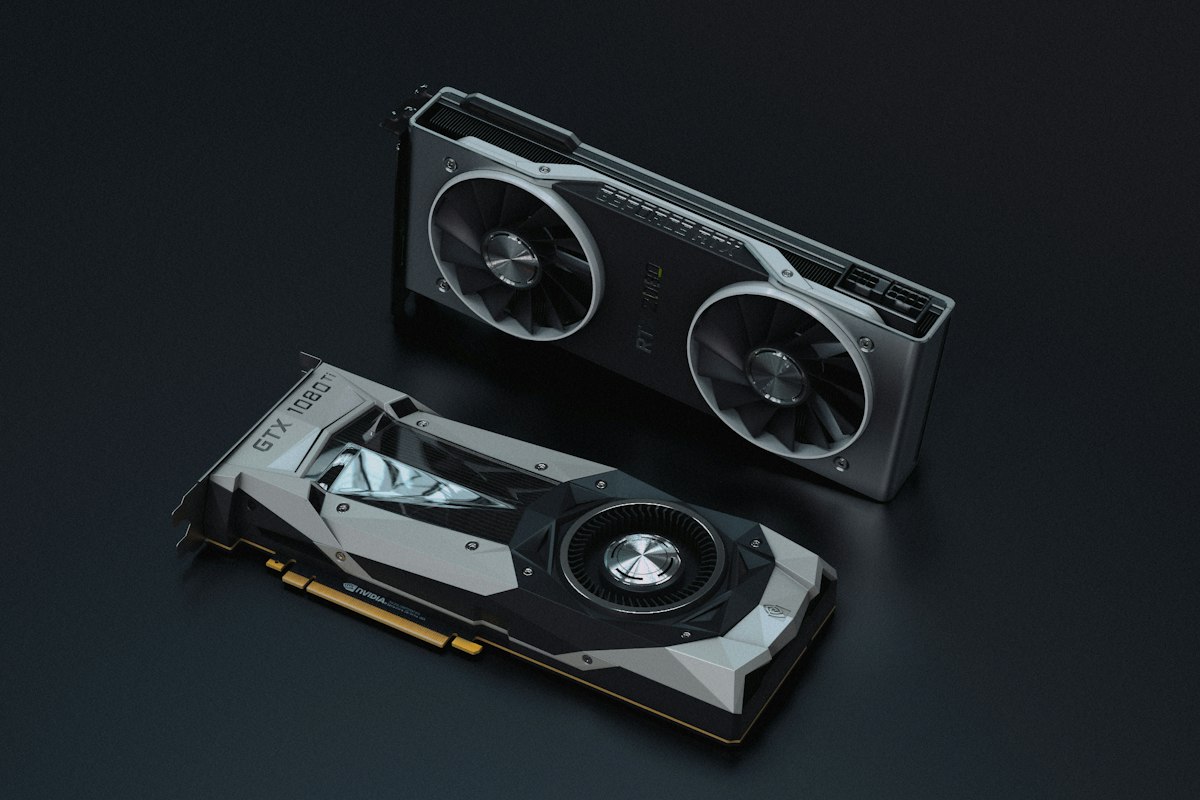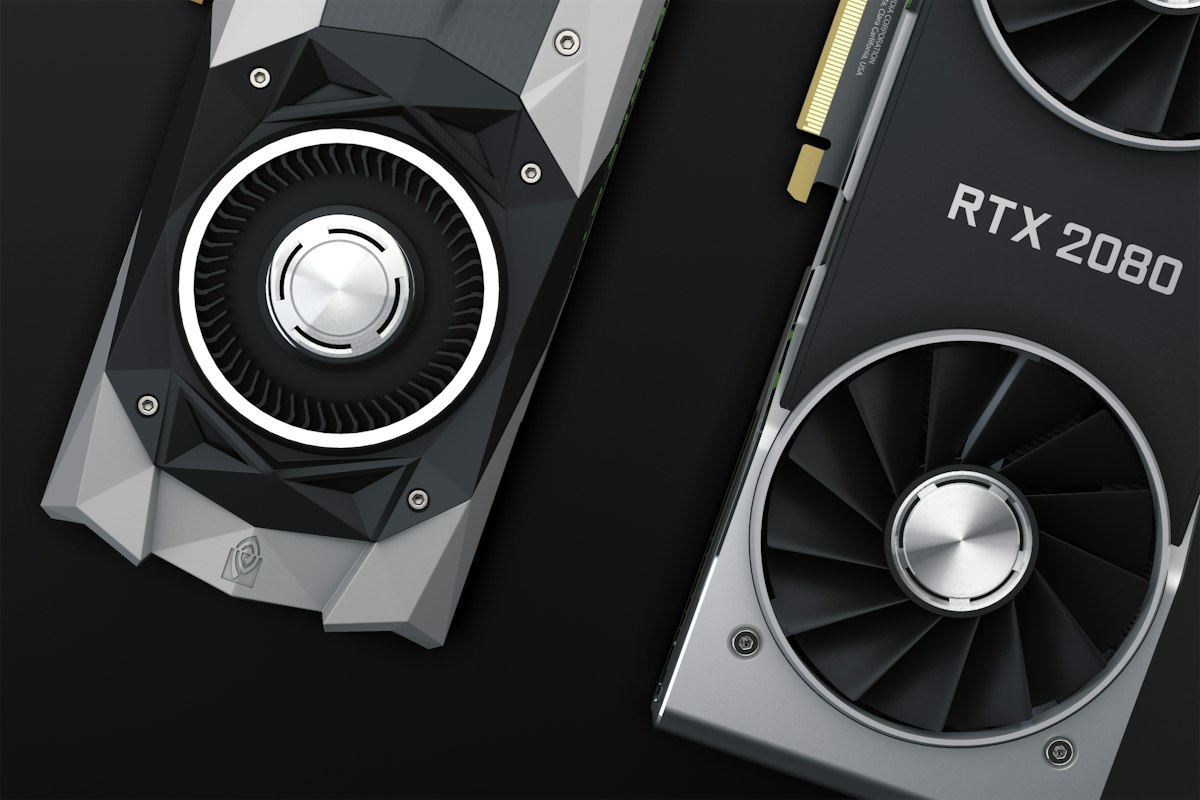
Nvidia has spent the first months of 2026 releasing Blackwell GPUs that most people cannot justify buying. The RTX 5090 is extraordinary and costs more than some used cars. The 5080 is fast and slightly less financially ruinous. The 5070 Ti is where things started to feel grounded. But the RTX 5060 Ti is the card the majority of PC builders are actually holding out for — the one that sits in the sweet spot where real performance meets real-world affordability.
Here is everything we know.
What to Expect From the Specs
Nvidia has not officially confirmed full RTX 5060 Ti specifications, but enough information has emerged from supply chain sources and engineering sample leaks to build a reliable picture.
The 5060 Ti is expected to use a cut-down version of the GB206 die, the same chip family underpinning the 5070. Based on leaked shader counts and memory bus configurations, expect somewhere in the region of 4,352 CUDA cores paired with 16GB of GDDR7 — the same VRAM amount as the 5070, which Nvidia took considerable criticism for skimping on in earlier generational releases.
That 16GB figure matters. The 4060 Ti launched with 8GB, which became a significant limiting factor in newer titles at higher resolutions within 18 months of release. Nvidia appears to have heard that criticism. 16GB gives the 5060 Ti a meaningful lifespan buffer.
Performance estimates based on die size and core counts suggest the 5060 Ti should land roughly 15 to 20 per cent ahead of the RTX 4070 in rasterisation workloads, with more significant gains in DLSS 4-assisted workloads thanks to the Multi Frame Generation technology introduced with the 5000 series.
What Is Multi Frame Generation?
If you have not been following Blackwell closely, Multi Frame Generation is worth understanding before you decide whether the 5060 Ti is worth waiting for.
DLSS 4’s Multi Frame Generation allows the GPU to generate multiple AI-interpolated frames for every real rendered frame — potentially doubling or tripling the framerate in supported titles compared to the already impressive DLSS 3 results on the 4000 series. The catch is that the interpolated frames introduce a degree of latency and occasional visual artefacts that are more noticeable in competitive play than in single-player titles.
For the typical 5060 Ti buyer — someone gaming at 1080p or 1440p in primarily single-player or co-op games — Multi Frame Generation is a genuine multiplier on the raw hardware performance. For competitive players at high refresh rates where every millisecond of latency counts, it is a more complicated proposition.
Pricing
This is where expectations need careful management. Nvidia’s official MSRP for the RTX 5060 Ti is expected to be announced closer to launch, but analyst estimates and retailer placeholder pricing suggest a starting point around £429 to £469 for the 16GB variant in the UK.
That is noticeably higher than the 4060 Ti launched at, which will frustrate buyers who remember when the 60-series represented accessible entry-level performance. The honest context is that GPU pricing across the entire 5000 series has shifted upward, and the 5060 Ti pricing reflects that broader trend rather than being an outlier.
Whether that price holds at retail is a different question. The 5080 and 5090 launched above MSRP and stayed there for months due to constrained supply. Nvidia has indicated improved allocation for the mainstream 5060 series, but the first few weeks after launch are likely to be challenging for anyone trying to buy at list price.
Release Date
Nvidia has not confirmed a launch date. Based on typical release cadence — the 5090 and 5080 launched in January, the 5070 and 5070 Ti in February and March — a late April or May 2026 window for the 5060 Ti is the most widely cited estimate.
AMD’s RDNA 4 mainstream cards are expected around a similar timeframe, which gives Nvidia an incentive not to delay. Competition from AMD’s RX 9060 XT, which has been generating strong early benchmark noise, means the pricing and availability of the 5060 Ti at launch will be watched closely.
Is It Worth Waiting For?
If you are currently running a 3060 Ti, a 3070, or an AMD equivalent, yes — the 5060 Ti should represent a meaningful generational jump. The VRAM increase alone addresses one of the most frustrating limitations of the previous mainstream generation.
If you are on a 4070 or above, the 5060 Ti will not be a worthwhile upgrade. The performance delta does not justify the cost of a lateral or minor step.
If you are building a new PC from scratch and targeting 1440p gaming, the 5060 Ti is shaping up to be the most sensible starting point in the Blackwell stack. Wait for the reviews before committing — launch day benchmarks will tell you a great deal about where it actually lands versus the 4070 and RX 9060 XT — but the early picture is encouraging.
We will update this piece with confirmed pricing and benchmarks as they become available.