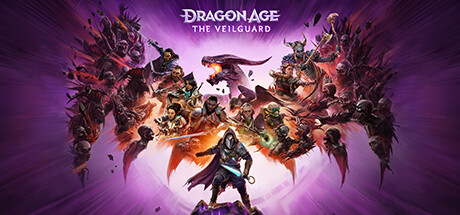
Dragon Age: The Veilguard launched this week after a development period that included a significant directional change, a title rename, and years of silence from a studio whose reputation has been under scrutiny since Anthem. The reviews are in, and they tell a complicated story.
The score range is 75-85 across major outlets, which is a reasonable reception but not the triumphant return some had hoped for. The consistent praise covers the visual design, the companion character writing, and the combat: a real-time system that borrows from action games rather than leaning on the tactical RPG mechanics of Origins.
The criticism centres on precisely that last point. Dragon Age: The Veilguard is a different kind of game to Origins or even Dragon Age II. The decision to move towards real-time action combat and a more linear structure has produced a more accessible game. Whether that is the right Dragon Age is genuinely contested.
“BioWare made a game that more people will finish than any previous Dragon Age,” one reviewer noted. “The question is whether the people who wanted Origins 2 will feel that was the right trade.”
The companion relationships, long a strength of BioWare’s design, are receiving consistent praise. The six companions are well-written, with arcs that develop meaningfully across the game’s length. The world-building around the elf gods, the central focus of the narrative, is ambitious.
The broader context matters: BioWare needed a win. Anthem’s failure and Mass Effect: Andromeda’s mixed reception made The Veilguard a make-or-break project for the studio’s reputation. On those terms, an 80-point RPG that critics broadly found enjoyable, even if divisive among the core fanbase, is a stabilisation rather than a turnaround.
What BioWare does next, and whether The Veilguard’s direction becomes the template, will be more interesting than the game itself at this point.