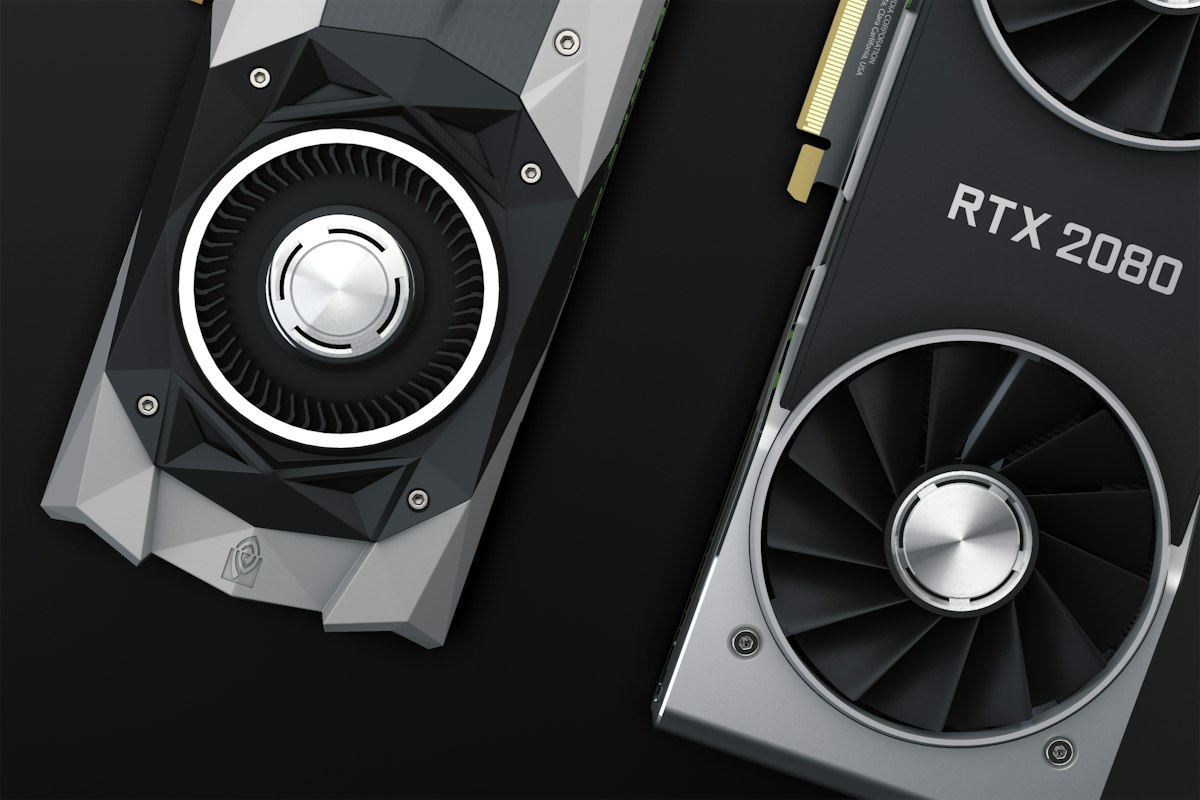
The RTX 5080 is an extraordinary piece of silicon. It is also, depending on your perspective, an extraordinary waste of money. Both of these things can be true simultaneously, and whether this review ends with a recommendation depends almost entirely on what you are replacing and what you expect to pay for it.
Nvidia’s Blackwell architecture brings genuine performance improvements. The question is whether the improvement is large enough, at this price, to justify choosing the 5080 over its predecessor or, more pointedly, over the 5070 Ti.
The Numbers
Let me be specific, because vague performance claims are useless.
At 4K with Ultra settings (no upscaling) across a selection of current titles:
| Game | RTX 5080 | RTX 4090 | RTX 5070 Ti |
|---|---|---|---|
| Cyberpunk 2077 (Overdrive RT) | 94 fps | 78 fps | 71 fps |
| Black Myth: Wukong (Cinematic) | 88 fps | 69 fps | 63 fps |
| Alan Wake 2 (Ultra + RT) | 79 fps | 61 fps | 58 fps |
| Spider-Man 2 | 122 fps | 98 fps | 91 fps |
| Elden Ring (4K Ultra) | 165 fps | 160 fps | 158 fps |
The 5080 is consistently ahead of the 4090, which was the previous single-GPU performance king. That is the headline: the 5080 beats the 4090, a GPU that launched at over £1,500 two years ago.
It is also roughly 25-30% faster than the 5070 Ti at the same settings, which is a meaningful gap.
DLSS 4 and Multi-Frame Generation
The most significant performance story with the 5080 is not rasterisation: it is DLSS 4 with Multi-Frame Generation.
Multi-Frame Generation allows the card to generate up to three AI-interpolated frames for each rendered frame, creating frame rates that look, in motion, like genuine high-frame rendering. In Cyberpunk 2077 with DLSS 4 Quality mode and Multi-Frame Generation enabled, the 5080 produces over 200 fps at 4K. In Alan Wake 2, over 160 fps.
There is a legitimate debate about whether AI-generated frames feel identical to rendered frames. They do not, quite. There is a slight added latency and, in fast-panning camera movements, occasional visual artefacts that a trained eye can spot. But at Quality mode, these are minor enough to be irrelevant for most gaming scenarios. The motion clarity improvement is real and meaningful.
For productivity and creative work, DLSS does not apply, and the rasterisation numbers above are what matter.
The 5090 Comparison
Nvidia launched the RTX 5090 alongside the 5080. The 5090 is approximately 25-30% faster and costs roughly £2,000 or more at retail. There is almost no gaming scenario where the additional performance justifies the additional cost for a consumer. If you are running 8K, doing ML inference, or rendering video professionally, the 5090 is a different conversation. For gaming, the 5080 is the more rational choice from the Blackwell range.
Temperatures and Noise
The reference Founders Edition card we tested ran at a peak of 74°C under sustained gaming load in a standard mid-tower with reasonable airflow. Noise levels were audible but not intrusive: the fans ramp up noticeably in heavy workloads, but the sound profile is smooth rather than aggressive.
Power consumption averages around 320W under full load. This is high but consistent with previous generations at this performance tier. A quality 850W PSU is the minimum recommendation; a 1000W unit gives you headroom.
The 16GB VRAM Situation
The 5080 comes with 16GB of GDDR7. This is a point of contention. The 5090 has 32GB. At 4K with demanding textures, 16GB can become a constraint: games like Cyberpunk 2077 at maximum texture quality and path tracing will push up against this limit.
In practice, for most gaming scenarios at 4K Ultra, 16GB is sufficient. The texture streaming in modern games is efficient enough that the limit is rarely hit hard. But if you are the kind of player who maxes every setting regardless of performance impact, be aware it exists.
The Price Question
The RTX 5080 launched with an MSRP of around £1,100-1,200 in the UK, with actual retail prices frequently higher due to AIB premium and, at launch, constrained supply.
For context:
- The 5070 Ti (approximately 75-80% of 5080 performance) is around £700-800
- The 4090 at launch was £1,500+, and secondhand examples are now around £900-1,000
- The 5090 is approximately £2,000+
If you have a 4090, upgrading to the 5080 is not justified by performance alone. The rasterisation gains are real but not transformative enough to spend this amount.
If you have a 4080 or below, the 5080 is a meaningful upgrade, particularly for 4K gaming with ray tracing. The question is whether you want to spend this much when the 5070 Ti offers the bulk of the gains at significantly less.
Verdict
The RTX 5080 is the second-best GPU you can currently buy, at a price that requires serious justification.
For 4K gaming with demanding titles and ray tracing, it is the best card under the 5090. DLSS 4 with Multi-Frame Generation produces frame rates that would have been impossible on any hardware a generation ago. The build quality of the Founders Edition is excellent, thermals are controlled, and the performance data speaks for itself.
The honest verdict: if budget is a meaningful constraint, the 5070 Ti offers 75-80% of the performance at a considerably lower price. If you want the best 4K gaming experience below the 5090 and you are willing to pay for it, the 5080 delivers exactly that.
Score: 8/10 - Recommended
Tested on a system with an Intel Core i9-14900K, 32GB DDR5-6400, 2TB NVMe SSD. Benchmarks reflect average frame rates over 60-second runs at each game’s highest quality preset.